
Orchid Fertility Dubai Calls for Greater Awareness of Male Infertility as Nearly Half of Cases Stem from Male Factors
Last Update: Thursday, December 11, 2025 : 09:06 (+4GMT)

- Recommends Baseline Fertility Assessment for those Planning marriage or parenthood
- 1 in 6 people worldwide face infertility, and male factors contribute to nearly 50% of all cases
- A simple 60-second self-check each month can preserve fertility and catch testicular cancer early, says expert
Dubai, UAE — 10 December 2025 — Infertility is often spoken about as a women's issue, but global data tells a very different story. According to the World Health Organization, nearly 50% of all infertility cases are linked to male factors. Drawing attention to men's well-being, Orchid Fertility Dubai is calling for a shift in perception and encouraging men to recognize early signs, understand risk factors, and seek timely support to protect their fertility.
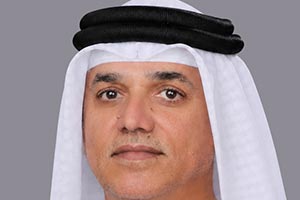
Dr. Rozh Jalil, Consultant Urologist & Andrologist at Orchid Fertility, explains that many of the factors affecting male fertility develop silently. "Conditions like diabetes, obesity, and hormonal imbalances have a deeper impact on sperm health than most men realise," he says. "Often the first signs are subtle—changes in libido, weaker erections, fatigue, reduced muscle strength or even mood fluctuations. These may look like general health issues but are closely linked to testosterone levels and reproductive function."
Diabetes is one of the most significant yet overlooked contributors to male infertility. High blood sugar disrupts the hormonal axis responsible for testosterone production, damages nerves and blood vessels that affect erections, and increases oxidative stress which reduces sperm count, motility, and shape. Elevated glucose levels are also associated with higher sperm DNA fragmentation, leading to lower fertilization rates and weaker embryo quality. Dr. Jalil emphasizes that early management—achieving controlled blood sugar through lifestyle or medication—can significantly improve reproductive outcomes.
But beyond chronic conditions, men often miss critical warning signs related specifically to testicular health. "Testicular cancer, though not common, is the most frequent cancer among young men aged 15 to 40," Dr. Jalil says. "Early detection saves lives, and it starts with a simple monthly self-check."
A testicular self-exam takes less than a minute. Men are advised to gently roll each testicle between their thumb and fingers after a warm shower, feeling for lumps, firmness, swelling, or changes in size. A "bag of worms" sensation may point to a varicocele—a common, treatable cause of infertility. "If something feels different or unusual, don't wait. Early diagnosis means higher survival rates and far better chances of preserving fertility," he adds.
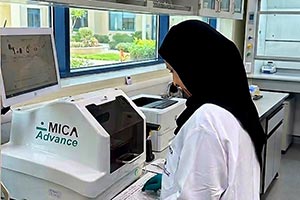
At Orchid Fertility, the evaluation of male fertility begins with a semen analysis—still the foundation of diagnosis worldwide. Count, motility, and morphology remain the core parameters, and even minor abnormalities can signal deeper hormonal or genetic issues. Beyond the basics, Orchid Fertility also conducts comprehensive hormonal analysis—including testosterone, LH, FSH, prolactin and related hormones—to identify whether sperm production issues originate from the testicles or from the brain's signaling pathway.
For men with severely low sperm counts, recurrent pregnancy loss, or suspected congenital conditions, Orchid carries out genetic investigations such as karyotyping, Y-chromosome microdeletion testing, and CFTR mutation analysis to uncover underlying genetic causes.
When needed, Orchid performs advanced diagnostics such as CASA (computer-assisted semen analysis), expanded sperm DNA fragmentation testing using advanced assays like SCSA and TUNEL, oxidative stress assessment, high-resolution scrotal Doppler imaging, and comprehensive hormonal panels to understand the full picture.
Sperm DNA fragmentation is a particularly crucial marker that can reveal hidden fertility issues even when basic semen parameters appear normal. High fragmentation levels can impair embryo development, reduce IVF success rates, and increase the likelihood of early miscarriage. Factors such as diabetes, varicocele, smoking, heat exposure, and environmental toxins are common contributors. Identifying elevated DNA fragmentation early allows for tailored interventions—from lifestyle and dietary modifications to antioxidant therapy or surgical correction of varicocele—which often lead to significant improvements in fertility outcomes.
"Microfluidic sperm sorting and Physiological Intracytoplasmic Sperm Injection (PICSI) are advanced techniques that help us select the healthiest sperm for fertilization. At Orchid, we use these methods regularly in our IVF cycles to improve the chances of a successful pregnancy," explains Dr. Partha Sarathi Das, Medical Director at Orchid Fertility Clinic.
For men preparing for marriage or planning families in the coming years, Dr. Jalil recommends a baseline fertility assessment, especially as global studies show declining sperm quality. Research published over the last decade indicates that average sperm counts have dropped by more than 50% in the past 40 years, with lifestyle and environmental factors playing a major role. "A simple semen analysis takes away the guesswork," says Dr. Jalil. "It gives men confidence and clarity before they begin their fertility journey."
Dr. Jalil concludes with a message of optimism: "Male fertility is not fixed—it is highly responsive to early intervention. Most causes are treatable, and many are reversible. The key is awareness, early testing, and not ignoring the signs your body gives you."



- Bridal Season Is Officialy Open with Benefit Cosmetics!... [2478-Views]
- Dubai Summer Surprises 2026 Unveils an Action-Packed Calendar of Shopping, Din... [2021-Views]
- Joyalukkas Strengthens US Footprint with 8th Showroom in Iselin, New Jersey... [1999-Views]
- Mercato Takes Media on a Magical Summer Journey with The Grand Comedy Circus a... [1593-Views]
- Group-IB launches Purple Teaming service to close the gap between security inv... [1202-Views]
- First winner of 'Win Your Home in Dubai' initiative announced as citywide home... [1129-Views]
- Dubai Gears Up for a Spectacular Start to 29th Dubai Summer Surprises with Liv... [1097-Views]
- Government of Fujairah Signs Agreement to Purchase Gasoline Production from Et... [953-Views]
- Global Talent Attraction and Retention Committee Convenes Tenth Meeting to Rev... [921-Views]
- MAIR Group and Makani Real Estate Announce Mall of Al Ain Redevelopment and Ex... [898-Views]
- Schneider Electric joins the World Economic Forum Lighthouse Operating System ... [889-Views]
- EGA wins the AI Vision and Strategy Award at the 2026 Manufacturing Leadership... [883-Views]
- EGA inaugurates UAE's largest aluminium recycling plant... [830-Views]
- Kia introduces PV5 as its first Platform Beyond Vehicle (PBV) model in Middle ... [824-Views]
- G-SHOCK MTG-B4000BD-1A: A New Language of Structural Beauty... [819-Views]
- The New SHEGLAM Lashlighter Root-Up Lash Primer Gets to the Root of the Matter... [808-Views]
- Dubai Summer Surprises: Shop, Save, and Win as the Great Dubai Summer Sale Arr... [803-Views]
- Dubai Municipality and Enviroserve sign strategic agreement to enhance e-waste... [764-Views]
- Dubai Municipality tours first vertical farm inside residential tower in Al Ha... [760-Views]
- Commercial Bank of Dubai prices USD 550 million Additional Tier 1 perpetual no... [738-Views]
