
New Study Highlights the Need to Regularly Clean Phones and Calls for Infection Control Protocols
Last Update: Tuesday, December 27, 2022 : 10:54 (+4GMT)
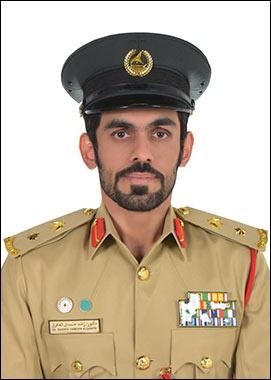
Led by the Mohammed Bin Rashid University of Medicine and Health Sciences, findings call for sanitation protocols to control infection spread by mobile phones and wearable tech
DUBAI, UAE; December 27 2022: A study carried out by the Mohammed Bin Rashid University of Medicine and Health Sciences (MBRU), in collaboration with Dubai Police and Australia’s Bond University in Queensland, has highlighted the need for mobile phone and smartwatch sanitization to be included in global infection control protocols for the betterment of public health.
The pandemic taught us how infection control measures, such as social distancing and handwashing, can effectively improve public health. However, new research indicates that hand hygiene practices are negated if wearable devices remain unsanitized. Smart devices, like mobile phones and smartwatches, are a potential breeding ground for disease-causing pathogens since warm temperatures and high-touch surfaces are ideal conditions for germs to thrive. Researchers recommend regularly sanitizing your smartphone with an alcohol wipe to remove as much bacteria as possible.
Professor Abiola Senok, Chair of Basic Medical Sciences and Professor of Microbiology and Infectious Diseases at MBRU’s College of Medicine, commented, “Our phones are never far from our sides; we take them everywhere with us. We all need to have a habit of regularly cleaning our mobile phones and smartwatches as much as we do our own hands.”
In this recent scientific study, researchers from MBRU and Dubai Police examined the extent of microbial contamination on smart devices in an emergency medical unit. Samples taken from mobile phones and smartwatches, along with samples of the hands of healthcare workers, were investigated using next-generation metagenomics sequencing technology, to enable researchers to identify which organisms are contaminating these devices.
“Our research findings showed that organisms identified from the hands of healthcare workers were also detected on their mobile phones and smartwatches,” said Lieutenant Colonel Dr. Rashed Alghafri, Director of the International Center for Forensic Sciences in the General Department of Forensic Evidence and Criminology at Dubai Police.
Some of the microorganisms identified on healthcare workers’ wearable tech were multidrug-resistant pathogenic bacteria. Among the randomly selected mobile phones tested, one from the unit’s COVID-19 zone showed positive SARS-CoV-2 detection.
“The presence of these microbes poses a risk of pathogen transfer to patients and the community. Infection control protocols, like mobile phone sanitation, could reduce this risk” Lieutenant Colonel Dr. Alghafri added.
Dr. Lotti Tajouri, Associate Professor at Bond University in the field of Molecular Genetics and a member of the Dubai Police Scientific Council said, “Our findings are also important for global public health as organisms on the surface of mobile phones and smart watches can be carried across international borders by travelers.” Dr. Tajouri believes that sanitation protocols, such as ultraviolet C sanitization devices in public spaces and airports, should be investigated to mitigate the risk of microbial contamination and dissemination on smart devices.
Collaborative research projects that advance health for humanity are a hallmark of the Dubai Academic Health Corporation (DAHC). Established just over a year ago, the DAHC strengthens the bridge between academia, clinicians, and industry to translate research findings into improved patient care.





- Five ways Emirates is helping customers travel with greater confidence... [2044-Views]
- Sheikh Zayed Falcon Release Programme releases 2,400+ falcons in the wild sinc... [1577-Views]
- UAE International Investment Council Holds Second Board Meeting, Appointing Ke... [1572-Views]
- MS Dhoni Joins Malabar Gold & Diamonds as Brand Ambassador, Strengthening the ... [1389-Views]
- Fertiglobe More Than Doubles Adjusted EBITDA in Q2 2026, Proposes H1 2026 Divi... [1111-Views]
- e& UAE launches Business Pro AI bundled with Microsoft Copilot at no additiona... [1072-Views]
- e& UAE leads industry transition to 5G-native IoT with successful testing of R... [1052-Views]
- How to Choose the Right Medical Insurance in Dubai Based On Your Lifestyle?... [995-Views]
- Held under the patronage of His Highness Sheikh Hamdan bin Zayed Al Nahyan Ab... [939-Views]
- Al Masaood Automobiles Achieves Highest-Ever Score in Nissan's Global Dealersh... [935-Views]
- Tadej Pogacar Chases Tour de France–Vuelta a Espana Double... [901-Views]
- Sensational Tadej Pogačar Claims Fifth Tour de France Title in Seven Year... [870-Views]
- Beautyworld Dubai's 30th Edition Brings Global BeautyIcons Together This Octob... [867-Views]
- Ufc brings blockbuster action to abu dhabi on october 24 with ufc® 333... [848-Views]
- Etihad Airways and Africa World Airlines sign strategic partnership agreement... [823-Views]
- Qualcomm Announces Third Quarter Fiscal 2026 Results... [786-Views]
- TCL Extends its Global Leadership from Television to Air Conditioning with Lau... [777-Views]
- To enhance quality of sports services Ministry of Sports organises the first ... [768-Views]
- Dubai Summer Surprises Launches First Back-To-School Carnival at Palm Jumeirah... [763-Views]
- e& reports 11.6% increase in consolidated revenue to AED 38.1 billion in H1 20... [753-Views]
