
Everything You Need to Know About Diabetic Retinopathy
Last Update: Wednesday, May 6, 2020 : 11:51 (+4GMT)
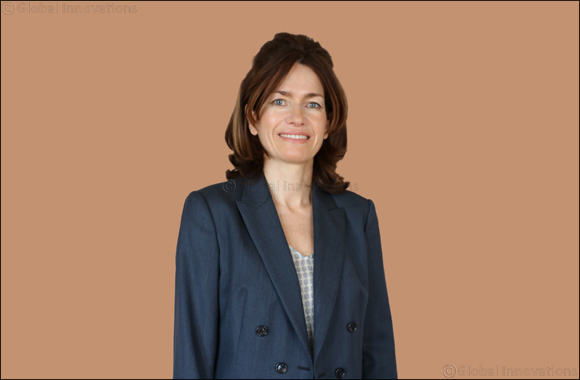
By: Dr. Luisa M. Sastre, Specialist Ophthalmologist in Medical Retina and Cataract Surgery
Dubai, United Arab Emirates, May 06, 2020: Sudden fluctuations in eyesight including blurred vision, double vision, and the appearance of floaters in the eye could go unnoticed as people maneuver complicated and unpredictable lifestyles. However, these minor ailments could be a sign of a more serious underlying disease. These symptoms are some of the key indicators of diabetic retinopathy, one of the leading causes of preventable blindness in the world.
As the name implies, diabetic retinopathy is directly linked to diabetes, a condition where the body’s inability to produce adequate insulin, the hormone that regulates glucose, triggers long term instability in blood glucose levels. Diabetes is a disease that can develop in two forms, Type 1 which is a congenital disease and Type 2 which is more common and is linked to obesity and lack of physical activity.
Diabetes is a significant public health issue in the region with several GCC countries including, UAE, Saudi Arabia, Bahrain, and Kuwait leading in numbers as part of the top 15 countries in terms of the prevalence of diabetes worldwide. In fact, according to the International Diabetes Federation, an estimated 32 percent of the adult population (age 20-79) in the UAE, including both UAE nationals and expatriates, may have or could develop diabetes or prediabetes over the next decade.
As these numbers trend upwards health experts grow progressively concerned for the future of the nation. Studies show that as many as 50 percent of diabetes sufferers in the country do not know they have the disease and 74 percent of diabetics in the UAE may not be aware that they have diabetic retinopathy.
Caused by changes to the blood vessels of the retina, diabetic retinopathy is onset by poor glucose control which can cause damage to nerves and blood vessels. As one of the most complex and vascular organs in the body, the eye is especially vulnerable to damage caused by diabetes. This impairment of the eye vessels causes new weak blood vessels to grow and leak fluid into the retina progressing the disease. For these reasons, almost all Type 1 and two-thirds of Type 2 diabetes patients will develop diabetic retinopathy within 20 years of diagnosis.
Diabetic retinopathy can be reversible only in the early stages of the disease if excellent diabetic control is achieved. In the advanced stages of the disease, diabetic retinopathy is not reversible. However, early detection and treatment plays an important role in the progression of the disease.
Treatment options are available, and sometimes a combination of procedures can manage and reduce the effects of the disease. These include intravitreal injection of medications (anti-VEGF and or steroids), panretinal photocoagulation (conventional peripheral laser therapy) and in more advanced cases, with proliferative retinopathy or with intravitreal hemorrhages, surgery is inevitable.
Anti-VEGF drugs reduce the new vessel formation and the leakage from these weak new vessels, helping to keep the macula and the peripheral retina dry. Intravitreal steroids aid in reducing the swelling in the macula. Panretinal photocoagulation improves the oxygenation of the retina and by doing so, decreases the stimulus to the growth of retinal and iris new vessels. When the above treatments are not enough, surgery helps restore the anatomy of the eye. During the procedure the surgeon removes non-clearing hemorrhages and fibrotic tissue that proliferates between the retina and the vitreous causing vitreous hemorrhages and traction retinal detachments.
There are key visual complications associated with the presence of diabetic retinopathy. However, it is common for the disease to start asymptomatic. Diabetic retinopathy can only be diagnosed by an ophthalmologist with a Fundus examination. Therefore, regular screenings are imperative in people with diabetes because early detection generally leads to better management and better outcomes.



- From a Pair of Shoes to a New Dubai Property: British Expat Wins Through ‘Win ... [2979-Views]
- UAQ Free Zone and Port City Colombo Sign Agreement to Promote Investment ... [1928-Views]
- Sheikh Zayed Falcon Release Programme releases 2,400+ falcons in the wild sinc... [1797-Views]
- DSS FINAL SALE BRINGS UP TO 90% OFF ACROSS MORE THAN 500 BRANDS FOR THE FINAL ... [1523-Views]
- Environment Agency - Abu Dhabi partners with Japan’s Suwa Falconry Preservatio... [1475-Views]
- President of the Comoros H.E. Azali Assoumani inaugurates UAE-financed solar p... [1438-Views]
- e& UAE launches Business Pro AI bundled with Microsoft Copilot at no additiona... [1388-Views]
- Held under the patronage of His Highness Sheikh Hamdan bin Zayed Al Nahyan Ab... [1161-Views]
- Beautyworld Dubai's 30th Edition Brings Global BeautyIcons Together This Octob... [1151-Views]
- Tadej Pogacar Chases Tour de France–Vuelta a Espana Double... [1115-Views]
- "A Dubai Invite" programme concludes following more than 90,000 applications f... [1052-Views]
- In a first-of-its-kind experience for a private Emirati company Hattlan Media... [1033-Views]
- Al Habtoor Motors launches ‘Back to School with Mitsubishi’ offers with Buy No... [1001-Views]
- Stellar Wine Cellar: Emirates to serve exceptional Champagnes and fine wines o... [988-Views]
- LG Empowers Designers and Videographers with New Ultrafine Evo 6K Monitor... [941-Views]
- Salik Renews Strategic Partnership for Five Years to Support Tolling System an... [901-Views]
- Isaac del Toro lands overall title at the Lidl Deutschland Tour... [783-Views]
- President of Senegal Receives HE Al Zeyoudi in Dakar to Discuss Expanding Trad... [767-Views]
- Abu Dhabi Student’s AI Triage Platform That Guides Patients to Right Care Wins... [765-Views]
- RANGE ROVER ELECTRIC: A NEW ERA FOR THE ORIGINAL LUXURY SUV... [758-Views]
