
Automotive industry & job market to grow as KSA empowers women drivers
Last Update: Tuesday, October 10, 2017 : 15:54 (+4GMT)
Kantar TNS report looks at the impact of the recent Royal Decree
Key beneficiary: Small and medium sized vehicle brands such as Toyota, Hyundai, Ford and Nissan amongst the top 5 brands that women aspire to buy, BMW being the aspirational brand in the premium segment.
- 82 percent of Saudi women intend to get driving license; driving to work as their primary motivation and males are endorsing this change.
- 60% intend to buy a car in next 3 years; 38 percent in 2018; non-premium, small and medium car segments more in demand
- Taxi and Uber services to suffer a setback with declining demand for hired transportation
- The initiative to give boost to retail, entertainment, Food and Beverages sectors
October 10, 2017, Dubai, UAE: To understand the early sentiment of Saudi residents and the likely outcome of the recently issued royal decree that allows women in KSA to drive cars, Kantar TNS – one of the largest global research agencies– conducted a study amongst Saudi residents in partnership with online panel providers Kantar MobiworkX and Borderless Access.
The study highlights that the sentiment is overall positive. Males support the change and would like the female members of their household to drive. As a result, 82% of the women are contemplating on getting a license and this is likely to fuel their ambition. The move is expected to uplift the sentiments of females. The biggest emotions expressed by women were related to the feeling that society was progressing the right way (61%), a sense of empowerment (55%) and enhanced career opportunities (46%).
With more women on the move, their career prospects will dramatically improve and the disposable income of households will rise. It is expected to change the very fabric of Saudi society and impact the economy in the long run.
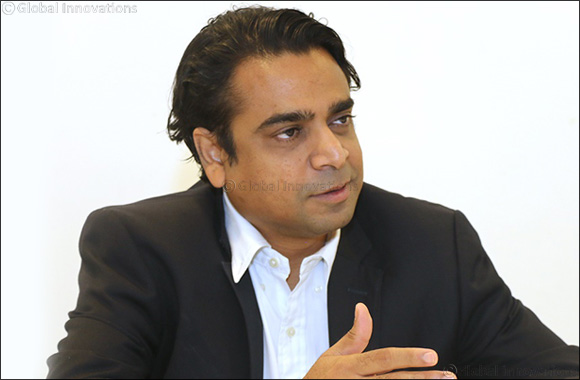
Commenting on the findings and its implications for marketers, Neal Henriques, Regional Automotive Director for Kantar, said: “This historic decision by the Saudi government changes the automotive landscape in the Kingdom and will present long term economic benefits beyond the automotive industry. Marketers who want to be ahead of the game need to gain a deep understanding of the needs and drivers that will affect female purchase decisions and tailor their offerings accordingly to capitalize on the new opportunity. Our initial research also indicates that the path to purchase will be far from uniform, thereby giving informed marketers an edge over the competition”.
While going to work was the key reason to drive (45%) dropping children (39%) was the other expressed reason. Interestingly, about 17% of the intending drivers expected to shop more and indulge in more leisure activities. Combining this with the increase in female disposable income, a flip to the retail, entertainment and F&B sector is anticipated in the near future.
An overwhelming majority of intending drivers (92%) are expected to reduce their reliance on taxis and services such as Uber as a result. Women have also come out strongly in favor of reducing their reliance on personal drivers with over three fourths (80%) of intending drivers expected to reduce their dependency. As a result, we are expecting a significant impact on the usage of public transport (taxi/Uber) and a declining demand for drivers.
This decree will result in a significant demand surge for new vehicles with some 60% percent of the residents intending to buy a car in the next 3 years and 38% planning this purchase in the next year. Non-premium, small and medium car segments – with an average budget of SAR 63,000 – will be more in demand, with 71% intending to buy in that range.
However, the market for premium vehicles will grow as well and slightly more than a tenth are expected to pay over SAR 110,000 for these cars. There is a high degree of consistency in our findings between males and females, indicating the staunch support of males to the initiative. With males, likely to continue to play a key role in the decision of vehicle make/model, 44% were still undecided on whether to purchase or give an existing vehicle to the woman. Among those who were decided, 57 percent plan to buy a new car for women and a fourth likely to buy a new vehicle for themselves.
Currently the top 5 brands that women aspire to buy are: Toyota, Hyundai, Ford and Nissan with BMW being the aspirational brand in the premium segment.
Overall, significant economic benefits will accrue to Manufacturers, Insurers and Allied Services. OEMs that quickly adapt their lineup to deliver to this audience will capitalize the most on this change. Dealers over time, may need to revamp their sales and after sales process to cater to the needs to female buyers and relook at their communication strategies keeping this audience in mind.
The reduction in drivers over time will affect the demographic profile at the lower end of the spectrum and impact categories largely dependent on them such as CSDs and snacks. Differentiation will drive survival in the tech enabled transportation business. Uber and Careem will need to differentiate themselves to garner a larger share of a declining market and retain relevance among its female patrons, e.g. offering female Uber drivers.
Commenting on the changes, Nissan Middle East CMO Fadi Ghosn said:
“We expect to see growth in the medium passenger cars and medium SUV segment as female drivers seek a combination of space, practicality and convenience. There might also be vehicle shifts within the household with existing vehicles being given to family members and new ones purchased. Finally, along with increased new car sales, we expect to see growth in used car transactions - in what looks set to be a dynamic market.”
Previous Article
Dubai International Motor Show in a league of its own with eye-ca...
Next Article
Renault Middle East celebrates Saudi women in the driver's seat w...
Related Articles More Automobile & Motoring ›


Most Viewed – Last 30 Days
- Joyalukkas Strengthens US Footprint with 8th Showroom in Iselin, New Jersey... [2868-Views]
- Group-IB launches Purple Teaming service to close the gap between security inv... [2339-Views]
- Mercato Takes Media on a Magical Summer Journey with The Grand Comedy Circus a... [2181-Views]
- Spain Defeats Argentina to Claim Second FIFA World Cup Title... [1388-Views]
- H.H. Sheikh Ammar bin Humaid Al Nuaimi chairs Ajman Bank Board Meeting... [1306-Views]
- Government of Fujairah Signs Agreement to Purchase Gasoline Production from Et... [1143-Views]
- MS Dhoni Joins Malabar Gold & Diamonds as Brand Ambassador, Strengthening the ... [1120-Views]
- AutoPro and Chevrolet extend UAE mega promotion offering four vehicle prizes u... [1118-Views]
- Bogdan guskov brings his perfect finishing record to ufc® fight night abu dhab... [1054-Views]
- Dubai celebrates residents as destination's most powerful advocates through ne... [1006-Views]
- Commercial Bank of Dubai prices USD 550 million Additional Tier 1 perpetual no... [994-Views]
- Maserati previews Project GT4 at Goodwood Festival of Speed 2026... [936-Views]
- Amina Taher Appointed Chairwoman of the Arab Fashion Council... [933-Views]
- EGA restarts Al Taweelah alumina refinery... [890-Views]
- Fred celebrates its 90th anniversary with monsieur fred golden light: the fina... [817-Views]
- Support Local: Discover The Homegrown Brands Participating in Ma'an by Majid A... [817-Views]
- UAE International Investment Council Holds Second Board Meeting, Appointing Ke... [816-Views]
- Dubai's off-plan market raises the bar for next-generation landmark luxury dev... [815-Views]
- Dubai Jewellery Group Signs MOU with JAS to Strengthen UAE–India Jewellery Tra... [804-Views]
- More major industrial companies join EGA's Challenger programme to promote gen... [791-Views]
