
Extreme Heat and Common Everyday Habits May Be Quietly Straining Your Kidneys, says Nephrologist
Last Update: Tuesday, May 26, 2026 : 12:39 (+4GMT)
- For kidney patients and other high-risk groups, dehydration may quickly trigger serious complications
- Hydration isn't one-size-fits-all, with water requirements shaped by body size, activity, and heat exposure
- High-protein diets don't harm healthy kidneys, but may worsen existing kidney disease
- Frequent unsupervised use of painkillers can damage the kidneys over time
- Extreme dieting and gym supplements may harm kidney health in the long term
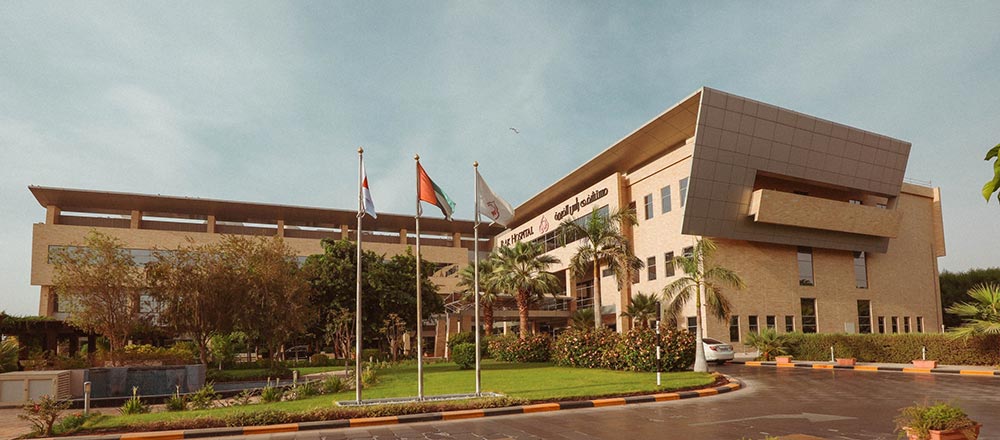
26 May 2026; Ras Al Khaimah, UAE: As temperatures climb across the UAE, medical experts at RAK Hospital are warning that extreme heat—combined with common everyday habits such as inadequate water intake, excessive caffeine, sugary drinks, and frequent use of painkillers—may be placing hidden stress on kidney health, often without obvious warning signs.
According to Dr. Ajinkya Shivaji Patil, Specialist Nephrologist at RAK Hospital, repeated dehydration can gradually reduce blood flow to the kidneys, affecting the tiny filtration units responsible for clearing toxins and maintaining the body's fluid balance.
"When dehydration occurs, blood volume drops and kidney blood flow reduces. Over time, this causes injury to the filtering structures of the kidney," said Dr. Patil. "These nephrons exist in millions, but repeated stress from dehydration gradually reduces their efficiency."
He explained that when kidney filtration declines, waste products such as urea and creatinine may not be effectively cleared, while essential proteins can also be lost in urine—a process that often develops silently over years.
Dr. Patil also highlighted a simple way individuals can monitor their hydration status at home: by observing urine colour.
"In most healthy individuals, urine colour can be a useful indicator of hydration," he said. "Pale or light yellow urine generally suggests adequate hydration, while darker yellow urine may indicate the need to increase fluid intake. However, this should be seen as a general guide and not a diagnostic tool, especially in people with underlying medical conditions."
While occasional dehydration may not cause immediate harm in healthy individuals, repeated episodes can gradually take a toll, particularly in high-risk groups such as outdoor workers, people exposed to prolonged heat, individuals with diabetes or hypertension, and those with pre-existing kidney disease. In such cases, dehydration can sharply worsen kidney function and trigger complications including fluid retention, breathlessness, dizziness, fatigue, and reduced urine output.
Dr. Patil noted that beyond low water intake, several common lifestyle habits may also contribute to kidney stress during the summer months.
"Many people assume cold drinks or coffee replace water—but they can actually worsen dehydration," he said. "Similarly, frequent unsupervised use of painkillers can reduce blood flow to the kidneys, particularly when taken repeatedly over time."
He also cautioned against extreme dietary practices such as prolonged fasting without adequate hydration, as well as the misuse of anabolic steroids and unregulated gym supplements, which may pose long-term risks to kidney health.
At the same time, Dr. Patil addressed a growing misconception around high-protein diets.
"High protein by itself does not damage healthy kidneys—this is a common myth," he explained. "However, in people who already have kidney disease, excessive protein intake can accelerate the progression of damage."
While heat-related dehydration remains a seasonal concern, Dr. Patil emphasized that the bigger long-term threat to kidney health in the UAE continues to be chronic conditions such as diabetes and hypertension.
"Diabetes remains the most common cause of chronic kidney disease. Any diabetic patient is at risk, and regular monitoring is essential," he said.
Dr. Patil also cautioned against rigid hydration formulas, noting that there is no universal rule for water intake, as requirements vary based on body size, activity levels, muscle mass, metabolic needs, and environmental exposure. A person working outdoors in extreme heat, for example, may lose fluids far more rapidly than someone indoors in an air-conditioned setting. Rather than following blanket intake rules, doctors recommend conscious and regular hydration throughout the day, especially during summer, while limiting caffeinated, sugary, or aerated drinks as substitutes for water.
"Kidney damage often develops silently," Dr. Patil added. "By the time symptoms appear, significant injury may already have occurred. Prevention through hydration, moderation, and regular health screening remains the best protection."





- From a Pair of Shoes to a New Dubai Property: British Expat Wins Through ‘Win ... [2957-Views]
- UAQ Free Zone and Port City Colombo Sign Agreement to Promote Investment ... [1887-Views]
- Sheikh Zayed Falcon Release Programme releases 2,400+ falcons in the wild sinc... [1779-Views]
- DSS FINAL SALE BRINGS UP TO 90% OFF ACROSS MORE THAN 500 BRANDS FOR THE FINAL ... [1483-Views]
- Environment Agency - Abu Dhabi partners with Japan’s Suwa Falconry Preservatio... [1392-Views]
- e& UAE launches Business Pro AI bundled with Microsoft Copilot at no additiona... [1369-Views]
- President of the Comoros H.E. Azali Assoumani inaugurates UAE-financed solar p... [1341-Views]
- e& UAE leads industry transition to 5G-native IoT with successful testing of R... [1231-Views]
- Held under the patronage of His Highness Sheikh Hamdan bin Zayed Al Nahyan Ab... [1140-Views]
- Beautyworld Dubai's 30th Edition Brings Global BeautyIcons Together This Octob... [1130-Views]
- Tadej Pogacar Chases Tour de France–Vuelta a Espana Double... [1084-Views]
- "A Dubai Invite" programme concludes following more than 90,000 applications f... [997-Views]
- Stellar Wine Cellar: Emirates to serve exceptional Champagnes and fine wines o... [967-Views]
- In a first-of-its-kind experience for a private Emirati company Hattlan Media... [937-Views]
- Al Habtoor Motors launches ‘Back to School with Mitsubishi’ offers with Buy No... [926-Views]
- LG Empowers Designers and Videographers with New Ultrafine Evo 6K Monitor... [921-Views]
- Salik Renews Strategic Partnership for Five Years to Support Tolling System an... [817-Views]
- ORA Land Launches BluBay with Suryakumar Yadav as Brand Ambassador, Reinforcin... [815-Views]
- Your Guide to Winning Big This Summer Through Dubai Summer Surprises... [764-Views]
- Isaac del Toro lands overall title at the Lidl Deutschland Tour... [751-Views]
