
Early Diagnosis and Significant Advances in Treatment Could Reduce High Lung Cancer Death Rate, Says Cleveland Clinic Expert
Last Update: Monday, July 31, 2023 : 11:57 (+4GMT)
 Ahead of World Lung Cancer Day on August 1, medical oncologist from global health system discusses how breakthroughs are changing the face of lung cancer treatment
Monday, July 31, 2023, Cleveland: With early screening and ongoing advances in treatment options, there is no reason for lung cancer to maintain its reputation as one of the deadliest cancers, according to an expert from global health system Cleveland Clinic, speaking ahead of World Lung Cancer Day [August 1].
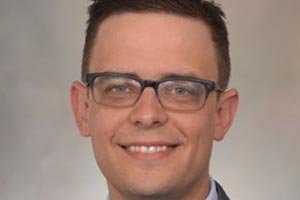
“This is a very exciting time in the field of lung cancer treatment, says Khaled Hassan, MD MS, a medical oncologist specializing in lung cancer at Cleveland Clinic. “In addition to advances in surgery and radiation, the past two decades have seen major developments in systemic therapy, with immunotherapy, targeted therapy, and antibody-based treatments introduced alongside the traditional chemotherapy options.”
Dr. Hassan welcomes World Lung Cancer Day as an opportunity for people to discuss lung cancer openly and to encourage at-risk individuals to be screened. He says, “We need to share the message that the earlier we catch the disease, the more treatable it is, and even if it is caught in its later stages, there are many new effective treatment options to explore now.”
Focusing on the importance of regular screenings, Dr. Hassan says research indicates that lung cancer death rates could be reduced by up to 20% if individuals aged 50 to 80 with a 20 pack-year smoking history, and who are currently smoking or have given up in the past 15 years, are screened annually using a low-dose CT scan.
Dr. Hassan is quick to point out, however, that non-smokers and younger individuals can also get lung cancer, which is usually driven by specific gene mutations, as opposed to the cumulative damage to DNA caused by smoking.
Medical advances
According to Dr. Hassan, the advances in medical oncology over the past two decades mean that treatment is now far more personalized than it was in the past. Rather than analyzing the cancer from a histological perspective, experts now analyze the disease at a molecular level, looking for specific DNA mutations that are driving the cancer, and that can be targeted with specific drugs.
At facilities such as Cleveland Clinic, a multidisciplinary team will handle lung cancer cases, with medical and radiation oncologists, thoracic surgeons, pulmonologists, radiologists, pathologist and other lung cancer experts working together to create a treatment plan for the best possible patient outcomes.
To determine the most appropriate treatment, physicians consider three factors, says Dr. Hassan. “First, we will first identify the type of lung cancer and the molecular characteristics of the disease. Next, we will take into account the stage of the cancer – ranging from stage 1, which is localized, to stage 4, where the cancer has metastasized, or spread. Third, we will consider the current health and circumstances of patients, for example, whether they are fit for surgery.”
If the disease is caught early, at stage 1, and the patient is otherwise healthy, removal of the tumors by surgery is the preferred option, says Dr. Hassan, as this offers the best chance of removing all cancer cells so the cancer will not recur. He says surgery will be curative in around 80% of stage 1 patients. If the patient is not able or willing to undergo surgery, a form of targeted radiation such as stereotactic body radiation therapy would most likely be given.
For lung cancer in stages 2 and 3, surgery or radiation would be followed by systemic therapy, which has seen major advances in the past two decades, says Dr. Hassan. In stage 4, as the cancer has spread to other organs, surgery or radiation would not play a role, and treatment would be in the form of systemic therapy.
Regarding the advances in systemic therapy, Dr. Hassan says that chemotherapy was the gold standard treatment for many years, but three breakthroughs have greatly increased treatment options. The first came in the early 2000s, when experts found that many lung cancers are driven by specific genetic mutations. As these mutations were identified, oral drugs targeting each were developed, and more drugs continue to be developed as more mutations are identified.
The second breakthrough came with the development of immunotherapy drugs in the mid-2010s. These are well-tolerated with fewer risks and side effects compared to chemotherapy, for example, since they leverage the body’s own immune system to fight the cancer. “In very simple terms, cancerous cells normally ‘hide’ from the immune system, but the immunotherapy drugs work to make them identifiable and accessible, so that they can be eradicated,” Dr. Hassan says.
Antibody-drug conjugates (ADCs) represent the third breakthrough. Here, antibodies with chemotherapy drugs attached to them circulate in the blood and bind to specific receptors in cancer cells. Once attached, they release the chemotherapy into the cell to destroy it. The benefit of this approach is that it targets only the cancer cells rather than exposing the entire body to a course of chemotherapy.
Dr. Hassan points out that while these new treatments, alongside regular screening, can help to reduce cancer death rates significantly, prevention is still key. “It is well documented that many cases of lung cancer arise from years of tobacco use. Encouraging individuals to quit or never take up any tobacco habit, including cigarettes, chewing tobacco, shisha, and vaping, would substantially reduce lung cancer incidence and death,” he concludes.





- From a Pair of Shoes to a New Dubai Property: British Expat Wins Through ‘Win ... [2995-Views]
- UAQ Free Zone and Port City Colombo Sign Agreement to Promote Investment ... [1963-Views]
- Sheikh Zayed Falcon Release Programme releases 2,400+ falcons in the wild sinc... [1814-Views]
- DSS FINAL SALE BRINGS UP TO 90% OFF ACROSS MORE THAN 500 BRANDS FOR THE FINAL ... [1543-Views]
- Environment Agency - Abu Dhabi partners with Japan’s Suwa Falconry Preservatio... [1505-Views]
- President of the Comoros H.E. Azali Assoumani inaugurates UAE-financed solar p... [1486-Views]
- e& UAE launches Business Pro AI bundled with Microsoft Copilot at no additiona... [1404-Views]
- Held under the patronage of His Highness Sheikh Hamdan bin Zayed Al Nahyan Ab... [1178-Views]
- Beautyworld Dubai's 30th Edition Brings Global BeautyIcons Together This Octob... [1170-Views]
- Tadej Pogacar Chases Tour de France–Vuelta a Espana Double... [1134-Views]
- In a first-of-its-kind experience for a private Emirati company Hattlan Media... [1079-Views]
- "A Dubai Invite" programme concludes following more than 90,000 applications f... [1075-Views]
- Al Habtoor Motors launches ‘Back to School with Mitsubishi’ offers with Buy No... [1025-Views]
- Stellar Wine Cellar: Emirates to serve exceptional Champagnes and fine wines o... [1004-Views]
- LG Empowers Designers and Videographers with New Ultrafine Evo 6K Monitor... [957-Views]
- Salik Renews Strategic Partnership for Five Years to Support Tolling System an... [946-Views]
- President of Senegal Receives HE Al Zeyoudi in Dakar to Discuss Expanding Trad... [854-Views]
- Abu Dhabi Student’s AI Triage Platform That Guides Patients to Right Care Wins... [824-Views]
- Isaac del Toro lands overall title at the Lidl Deutschland Tour... [801-Views]
- ‘Win Your Home in Dubai’ Concludes Landmark Citywide Initiative, Driving More ... [798-Views]
