
Compliance Risks within the Life Sciences Industry Increase during Covid-19 Pandemic: new KPMG Report
Last Update: Monday, March 29, 2021 : 15:45 (+4GMT)
• KPMG’s inaugural report highlights emerging compliance issues in the sector
• Bribery of healthcare professionals and misuse of charitable donations identified as significant compliance risks
United Arab Emirates - March 29, 2021: More than a third (39%) of the Middle East’s Life Sciences industry leaders identify bribery and corruption as the biggest compliance risks faced by the industry, according to a new KPMG study. KPMG’s first-ever Middle East Life Sciences compliance survey polled multinational Life Sciences companies in the region, as well as large regional manufacturers and distributors, on compliance challenges that cropped up during the pandemic.
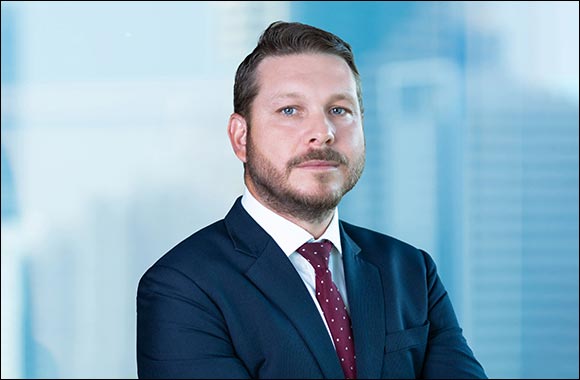
Nicholas Cameron, Head of Forensics KPMG Lower Gulf said: “Life Sciences businesses have grappled with a broad spectrum of issues during the pandemic. Associated compliance risks include improper payments to healthcare professionals (HCPs) to retain product sales and distributor channel stuffing. KPMG’s inaugural report on Life Sciences compliance is an effort to bring clarity to the related issues and how Life Sciences companies can respond to these risks.”
A majority (93%) identified the US Foreign Corrupt Practices Act’s as the main anti-bribery and corruption (ABC) law driving compliance priorities for Life Sciences companies in the Middle East. Sixty-four percent of Life Sciences leaders believed their commercial, sales and marketing departments were ‘highly likely’ to be exposed to bribery and corruption because of significant interactions with HCPs.
Risks also stem from compliance officers’ reliance on the accuracy of information provided by the sales team, as well as distributors or other third parties, who deal directly with HCPs. Value transfers to HCP (61%) and misconduct vis-à-vis charitable donations (32%) were also identified as major areas of concern. When it came to risk mitigation strategies, 86% believe training and regular communication were most effective to mitigate ABC risk, followed by testing and monitoring according to 71%.
Financial misstatements or companies not maintaining accurate books and records also emerged as a major compliance risk. Channel stuffing was acknowledged as a common financial statement risk (rated ‘high risk’ by 54%). According to the KPMG report, 32% said that the commercial, sales and marketing department was the most likely to be exposed to risk of financial misstatement. Complexity of transactions was highlighted as the biggest contributing factor (43%), followed closely by financial targets and securing bonus or promotion (39%). Our survey finds that regional SOPs and guidance, trainings and transaction monitoring are most effective to mitigate financial misstatement risks.
More than half (57%) described their existing Middle East ABC compliance programs as ‘advanced’. While corporate functions have largely worked remotely during the pandemic period, front-end sales and distribution teams have been active in the field in order to meet patient demand and maintain HCP interactions. However, compliance monitoring appears to be reduced. Nearly half (46%) of stakeholders felt their organization’s compliance functions were adequately staffed, while one-third (32%) believed additional investment was required. An overwhelming majority (96%) of industry professionals were investing in technology to support compliance and monitoring activities. As a priority, about half (46%) of industry leaders are looking to increase the efficiency and effectiveness of their compliance programs using regional industry data points on fair market value for high-risk expenditures.
Previous Article
MMA Announced SMARTIES MENA 2020 Winners on March, 29 2021!
Next Article
ionBench® Manufacturer of Mobile Benches for Scientific Instrumen...
Related Articles More Business & Economy ›





Most Viewed – Last 30 Days
- EU261 Reform Misses the Mark on Delays and Competitiveness... [2202-Views]
- Bridal Season Is Officialy Open with Benefit Cosmetics!... [1942-Views]
- Malabar Gold & Diamonds continues its expansion in North America: Launches 8th... [1661-Views]
- Dubai Summer Surprises 2026 Unveils an Action-Packed Calendar of Shopping, Din... [1642-Views]
- Ministry of Finance Unveils UAE's First Sovereign Retail T- Sukuk Investment O... [1217-Views]
- ãÌãæÚÉ ÇáÎáíÌ áÇÓÊÑÌÇÚ ÇáÃãæÇá ÇÓÊÑÏÇÏ ÎÓÇÆÑ ÇáÊÏÇæá ÈÎÈÑÉ ... [1121-Views]
- Umm Al Quwain Free Trade Zone (UAQ FTZ) Launches Company Migration Programme t... [1113-Views]
- Under supervision of Smart and Autonomous Systems Council, Abu Dhabi Investmen... [1073-Views]
- Hamdan bin Zayed chairs 2nd Environment Agency – Abu Dhabi board meeting in 20... [980-Views]
- UAE Pavilion Highlights Defence Innovations as Eurosatory 2026 Nears Final Day... [978-Views]
- First winner of 'Win Your Home in Dubai' initiative announced as citywide home... [926-Views]
- UAE and World Bank Group Explore Opportunities to Deepen Strategic Partnership... [835-Views]
- BVLGARI BVLGARI Roman Summer: A Celebration of Italian Elegance... [828-Views]
- 10X Properties Investor Business Meet in Dubai Concludes with Strong Success, ... [810-Views]
- The New SHEGLAM Crystal Intentions Collection Brings Good Energy and Even Grea... [799-Views]
- A Practical Guide to Moving Around Dubai During Your Trip... [790-Views]
- Global Talent Attraction and Retention Committee Convenes Tenth Meeting to Rev... [786-Views]
- Schneider Electric joins the World Economic Forum Lighthouse Operating System ... [772-Views]
- Tawazun Broadens International Partnerships to Advance National Defence Indust... [767-Views]
- Dubai Gears Up for a Spectacular Start to 29th Dubai Summer Surprises with Liv... [751-Views]
