
To Support UAE Sustainability Goals, Cleveland Clinic Abu Dhabi Decreases Water Usage by 30 Percent
Last Update: Tuesday, December 12, 2017 : 10:09 (+4GMT)

Hospital Innovates in Landscaping Irrigation
Abu Dhabi, United Arab Emirates. December 12, 2017: Cleveland Clinic Abu Dhabi has reduced the amount of water it uses by nearly a third as part of its ongoing attempts to become one of the greenest hospitals in the region.
Located in the Arabian Peninsula, where rainfall is scarce and surrounded only by salt water, the UAE is charged with cutting its reliance on desalination plants.
The hospital reduced the amount of domestic water it was using by 30 percent - saving more than four Olympic swimming pools worth of water per month - in the nine months to the end of September 2017.
According to a report released today by the hospital’s inhouse sustainability team, monthly water usage within the hospital fell from 28,787 cubic meters in December 2016 to 19,830 cubic meters in September 2017.
That means that over the first nine months of 2017, without compromising patient safety and while providing excellent care, the hospital has saved more than 20 million gallons of water – enough to fill 400,000 baths or nearly 40 Olympic swimming pools.
By using condensed water from the air conditioning system for irrigation and by changing the plant mix in its grounds to include more native species, Cleveland Clinic Abu Dhabi succeeded in cutting the amount of mains water it used for irrigation by two thirds.
Irrigation water usage fell from 3,978 cubic meters in December 2016 to just 1,092 cubic meters in September 2017 – saving the equivalent of one and a half Olympic swimming pools worth of water a month.
From last month -- November 2017 -- around 70 percent of Cleveland Clinic Abu Dhabi’s hot water demand has been met by solar water heaters – something which will save the hospital Dh750,000 a year on its utility bills and further reduce the hospital’s carbon footprint.
The moves are part of Cleveland Clinic Abu Dhabi’s ongoing commitment to becoming one of the most ‘green’ healthcare facilities in the region, in line with the UAE’s overall sustainability goals.
“Cleveland Clinic Abu Dhabi was designed to meet the highest sustainability standards in the GCC,” said Mawadhah Al Hashemi, sustainability manager at Cleveland Clinic Abu Dhabi. “In the journey of sustainability, we cannot afford to rest on our laurels – we are constantly looking for ways to innovate and reduce our use of resources including water and electricity.”
“The healthcare industry globally is one of the most resource-intensive commercial occupiers in the world and I am very proud our hospital continues to work hard every day to become more and more environmentally sustainable.”
To reduce carbon emissions, Cleveland Clinic Abu Dhabi this year became one of the first hospitals in the MENA region to use a ‘greenhouse gas tool’ to quantify and exhaustively log the exact amounts of greenhouse gas emissions the hospital produces in the hope of then being able to reduce them.
In 2014, Cleveland Clinic Abu Dhabi became the largest hospital in the GCC to have been awarded a LEED Gold sustainability certificate for new construction.
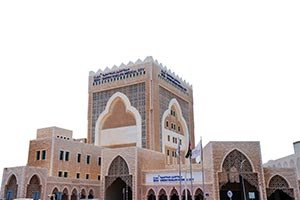
The hospital has been designed to include an innovative ‘double skin’ exterior which provides an air buffer between the indoor and outdoor environment, reducing the amount of cooling the iconic building requires.
In contrast to Cleveland Clinic Abu Dhabi’s sustainability efforts, hospitals typically use around twice the amount of energy of similarly-sized office buildings and the number of new hospitals opening across the GCC region is set to grow by more than 10 percent over the next three years.
“By highlighting the sustainability results that Cleveland Clinic Abu Dhabi is achieving throughout the year, we hope that others in the healthcare sector will take their own steps to reduce water and energy consumption and find new ways to become more resource-efficient in their operations,” Al Hashemi concluded.




- From a Pair of Shoes to a New Dubai Property: British Expat Wins Through ‘Win ... [2913-Views]
- Five ways Emirates is helping customers travel with greater confidence... [2186-Views]
- UAQ Free Zone and Port City Colombo Sign Agreement to Promote Investment ... [1739-Views]
- Sheikh Zayed Falcon Release Programme releases 2,400+ falcons in the wild sinc... [1719-Views]
- DSS FINAL SALE BRINGS UP TO 90% OFF ACROSS MORE THAN 500 BRANDS FOR THE FINAL ... [1409-Views]
- e& UAE launches Business Pro AI bundled with Microsoft Copilot at no additiona... [1325-Views]
- Environment Agency - Abu Dhabi partners with Japan’s Suwa Falconry Preservatio... [1208-Views]
- e& UAE leads industry transition to 5G-native IoT with successful testing of R... [1191-Views]
- How to Choose the Right Medical Insurance in Dubai Based On Your Lifestyle?... [1139-Views]
- Held under the patronage of His Highness Sheikh Hamdan bin Zayed Al Nahyan Ab... [1098-Views]
- Beautyworld Dubai's 30th Edition Brings Global BeautyIcons Together This Octob... [1079-Views]
- Tadej Pogacar Chases Tour de France–Vuelta a Espana Double... [1038-Views]
- To enhance quality of sports services Ministry of Sports organises the first ... [956-Views]
- LG EMPOWERS DESIGNERS AND VIDEOGRAPHERS WITH NEW ULTRAFINE EVO 6K MONITOR... [874-Views]
- "A Dubai Invite" programme concludes following more than 90,000 applications f... [873-Views]
- Stellar Wine Cellar: Emirates to serve exceptional Champagnes and fine wines o... [865-Views]
- Best Recruitment Agencies in Dubai and Executive Search Firms in the UAE in 20... [851-Views]
- ORA Land Launches BluBay with Suryakumar Yadav as Brand Ambassador, Reinforcin... [772-Views]
- Your Guide to Winning Big This Summer Through Dubai Summer Surprises... [728-Views]
- Isaac del Toro lands overall title at the Lidl Deutschland Tour... [720-Views]
