
Discussion around unmet challenges of kidney and liver transplant to improve patient long term outcome: Discussed by Experts at a Transplant Meeting supported by Novartis in Dubai
Last Update: Sunday, April 27, 2014 : 15:37 (+4GMT)
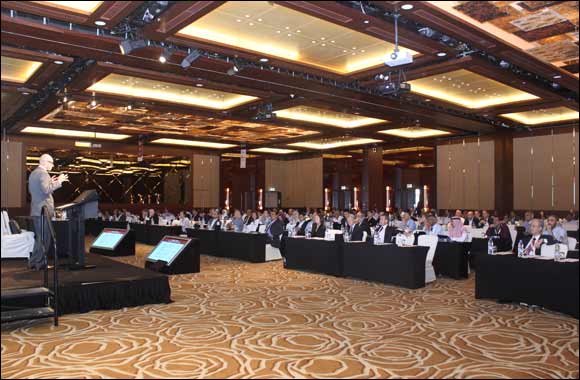
Approximately 250 international experts came together at a Kidney and Liver Transplant meeting to discuss the challenges associated with the increasing organ gap and the impact of recent advances in the management of kidney and liver transplant patients on the prolongation of the patient and transplanted organ survival.
- According to Global Observatory on Donation & Transplantation, supported by WHO, around 77818 kidney transplants and 23986 liver transplants were performed across 91 countries in 2012.1 Currently, 112,000 solid organ transplants take place each year1 but the requirement is far more than the availability. This is resulting in growing transplant wait lists and increasing number of people dying while waiting.2
- It is often noticed that in spite of successful transplant operation and lowered post-surgery complications, long-term patient and transplanted organ survival need to be improved
- Local UAE experts joined hands with international experts to identify how best immunosuppression therapy can be used to improve the long-term survival rates of post-transplant patients
Dubai, United Arab Emirates, April 27, 2014: Leading global surgeons, nephrologists and hepatologists from Asia, Australia, Turkey, Middle-East and Africa, gathered for a two-day scientific summit on Liver and Kidney Transplant in Dubai. Chaired by Dr. Steve Chadban- Director of Kidney Transplantation at Royal Prince Alfred Hospital, Australia and Dr. Gary Levy- Director of Transplantation Institute at University of Toronto, Canada; the summit aimed to find solutions to the unmet
challenges of kidney and liver transplant to improve patient long term outcome.
Kidney and liver transplant is the ultimate hope for patients with acute kidney and liver failure. The failure can be caused by sudden complications like injury or damage from medicine or long term chronic diseases like kidney or liver disease, diabetes, high blood pressure, heart failure, or obesity. According to a recent survey amongst the UAE Nationals, 21% of the population is suffering from Diabetes, 17% from Hypertension and 36% from Obesity.4
“There is an increasing gap worldwide between the number of organs available for donation and the number of patients who need a transplant, and unfortunately many patients die while on the waiting list. There is a need for policies that can enhance awareness of organ donation to increase the number of organs available and for techniques to allow organs presently not being used to be repaired and used as well as approaches to keeping the transplanted organ functioning for as long as possible and to improve long term survival of transplanted patients, says Professor Mona Al Rukhaimi- President of Emirates Medical Association Nephrology Society(EMAN).
Success in transplantation goes beyond the surgery. The choice and careful management of the most appropriate immunosuppressive treatment for the individual patient is crucial to achieve the balance of preventing graft rejection and ensuring long-term graft function and patient survival.
Through series of lectures, workshops, panel discussions and interactive sessions the experts debated the latest advances in Liver and Kidney transplantation. The meeting provided the opportunity to interact with leading experts in the field and saw immense enthusiasm to know more through engaged discussions, thought provoking questions and answers. Praising the summit and the information shared over the two days, Professor Mona Al Rukhaimi said, “It is brilliant to see so many great minds gather together to exchange information and strive to find solutions to the challenges of kidney and liver transplant in this region.”
Novartis has more than 30 years of history in transplantation and is deeply committed to develop new treatments that can improve the lives of transplant recipients.

- Joyalukkas Strengthens US Footprint with 8th Showroom in Iselin, New Jersey... [2676-Views]
- Group-IB launches Purple Teaming service to close the gap between security inv... [1945-Views]
- Mercato Takes Media on a Magical Summer Journey with The Grand Comedy Circus a... [1922-Views]
- Spain Defeats Argentina to Claim Second FIFA World Cup Title... [1165-Views]
- MAIR Group and Makani Real Estate Announce Mall of Al Ain Redevelopment and Ex... [1073-Views]
- Government of Fujairah Signs Agreement to Purchase Gasoline Production from Et... [1071-Views]
- H.H. Sheikh Ammar bin Humaid Al Nuaimi chairs Ajman Bank Board Meeting... [1059-Views]
- EGA wins the AI Vision and Strategy Award at the 2026 Manufacturing Leadership... [1006-Views]
- Bogdan guskov brings his perfect finishing record to ufc® fight night abu dhab... [975-Views]
- AutoPro and Chevrolet extend UAE mega promotion offering four vehicle prizes u... [955-Views]
- Dubai Summer Surprises: Shop, Save, and Win as the Great Dubai Summer Sale Arr... [946-Views]
- G-SHOCK MTG-B4000BD-1A: A New Language of Structural Beauty... [923-Views]
- Commercial Bank of Dubai prices USD 550 million Additional Tier 1 perpetual no... [910-Views]
- Dubai celebrates residents as destination's most powerful advocates through ne... [881-Views]
- Maserati previews Project GT4 at Goodwood Festival of Speed 2026... [861-Views]
- Amina Taher Appointed Chairwoman of the Arab Fashion Council... [859-Views]
- Standard Chartered: "UAE Business Activity to Accelerate in Q3 2026"... [845-Views]
- Grab discounts of up to 90% as the Great Dubai Summer Sale kicks off tomorrow ... [824-Views]
- Drillcube Opens EMEA Hub in Dubai — Bringing the Underground Mining One-Stop-S... [817-Views]
- EGA restarts Al Taweelah alumina refinery... [790-Views]
