
Digital infrastructure expansion accelerates online entertainment sector growth in the UAE
Last Update: Wednesday, February 18, 2026 : 16:44 (+4GMT)
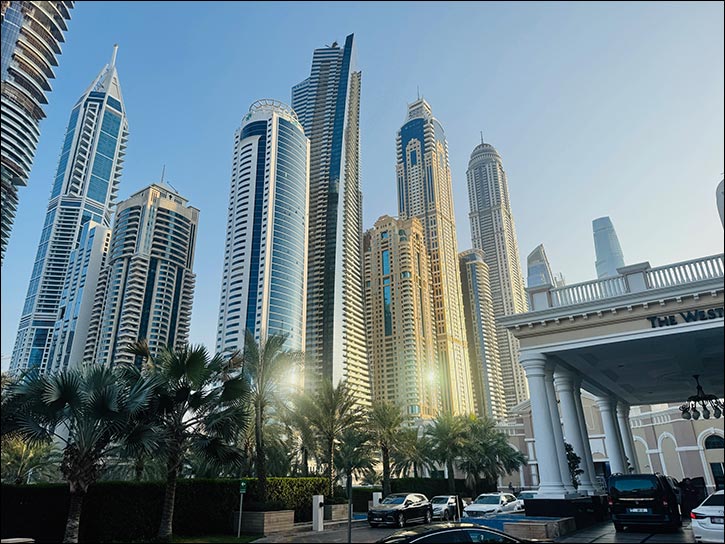
The United Arab Emirates has successfully transitioned from a logistics and tourism hub into a global node for digital innovation and high-speed connectivity. This strategic pivot is not merely about industrial efficiency; it has fundamentally reshaped how residents consume media, interact with content, and engage with the burgeoning digital economy. By prioritizing the development of world-class telecommunications infrastructure, the nation has created a fertile environment for online businesses to thrive, fostering an ecosystem where digital leisure and entertainment services can operate with unprecedented speed and reliability.
The seamless nature of this connectivity has democratized access to various forms of digital leisure, ranging from high-definition video streaming and competitive gaming leagues to niche portals like UAE Betting sites that cater to the region’s growing interest in high-stakes soccer matches. This accessibility is supported by a regulatory and technical framework designed to minimize latency and maximize user engagement by allowing for real-time bets as games are ongoing as well as smooth communication between members of competitive gaming teams. As the digital landscape broadens, consumers are no longer limited by bandwidth constraints, allowing for richer, more immersive online experiences that were technically impossible just a few years ago.
This evolution is underpinned by a clear national vision to diversify the economy away from traditional sectors. The government’s commitment to digital excellence is evident in its aggressive deployment of fiber optics and next-generation mobile networks. These investments serve as the backbone for a modern entertainment sector, enabling everything from virtual reality experiences to seamless social networking, positioning the UAE as a leader in the digital lifestyle revolution.
Investment in 5G networks drives digital adoption rates
The rapid rollout of 5G technology across the Emirates has been the primary catalyst for the explosion in digital service adoption. Unlike previous network generations, 5G offers the ultra-low latency required for real-time applications, which is critical for the modern entertainment sector. Recent performance metrics highlight the success of these infrastructure investments, showing that the UAE solidified its position as a global digital powerhouse by securing the top spot worldwide for mobile internet speeds in mid-2025. This technical superiority ensures that high-bandwidth activities, such as 4K streaming and live interactive broadcasting, function without buffering or interruption, setting a new standard for consumer expectations.
Beyond raw speed, the ubiquity of the network coverage has been a decisive factor in market growth. The telecommunications providers in the region have achieved near-total coverage, ensuring that high-speed access is not limited to urban centers but extends throughout the country. This comprehensive reach allows digital entertainment providers to scale their services to the entire population, removing geographic barriers to entry. Consequently, international content providers and local startups alike are increasing their investment in the region, confident that the infrastructure can support sophisticated, data-intensive platforms.
Looking ahead, the infrastructure is already being prepped for the next leap in connectivity. In late 2024, authorities announced the allocation of specific frequency bands to facilitate the eventual transition to 6G networks. This forward-thinking approach ensures that the UAE remains ahead of the technological curve, promising even faster speeds and more reliable connections in the coming years. For businesses in the digital entertainment space, this continuous upgrade cycle provides the stability needed for long-term strategic planning and product development.
Smartphone penetration shapes modern consumer entertainment habits
The prevalence of mobile devices in the UAE is among the highest in the world, fundamentally altering how entertainment is consumed. With a population that is digitally literate and constantly connected, the smartphone has become the primary screen for media consumption, surpassing traditional television and desktop computers. Market analysis reveals that median mobile internet download speeds reached 441.89 Mbps in early 2025, a significant leap that empowers users to access heavy content on the go. This shift compels content creators and platform developers to adopt a "mobile-first" strategy, optimizing interfaces and streaming protocols for handheld devices.
The statistics surrounding mobile connectivity paint a picture of a hyper-connected society. Recent data indicates that there were over 21 million active cellular mobile connections in the country at the start of last year, representing nearly double the total population. This saturation suggests that many residents own multiple devices, creating numerous touchpoints for digital entertainment services to reach their audience. For advertisers and platform operators, this high penetration rate offers a unique opportunity to engage users across different contexts, from commuting to leisure time at home.
Furthermore, the quality of these connections ensures that the mobile experience is indistinguishable from fixed-line performance. With 100% of mobile connections classified as broadband, users do not face the quality compromises often seen in other markets. This reliability has encouraged the adoption of sophisticated mobile applications, including augmented reality games and high-fidelity music streaming, which rely on consistent throughput. The result is a vibrant app economy where consumers are willing to experiment with new digital services, knowing their devices and networks can handle the demand.
Emerging trends in gaming and specialized online platforms
The robust infrastructure has paved the way for advanced trends in the gaming and online leisure sectors, particularly the rise of cloud gaming. This technology, which offloads processing power to remote servers, requires exceptional internet stability to function correctly. The UAE’s investment in local data centers has been instrumental in making this viable. Projections suggest the cloud-computing market will expand to nearly US$45.4 billion by the end of the decade, driven largely by the need to support these bandwidth-hungry applications. This local hosting capability reduces latency for gamers, making competitive online play fairer and more responsive.
Major global technology firms have recognized this potential and are rapidly expanding their physical footprint within the country. The presence of hyperscale data centers from industry giants like Microsoft and AWS provides the necessary backend support for complex digital platforms. This infrastructure allows developers to host massive multiplayer environments and persistent online worlds locally, rather than routing traffic to Europe or Asia. For the consumer, this translates to a smoother experience; for the economy, it represents a significant deepening of the technological value chain.
Additionally, the shift towards immersive technologies such as Virtual Reality (VR) and the Metaverse is gaining traction, supported by the high fiber penetration rates. The UAE leads globally in Fiber-to-the-Home (FTTH) connectivity, ensuring that residential connections are just as robust as mobile ones. This "last mile" excellence is crucial for bandwidth-intensive hardware that requires constant, high-volume data streams. As these technologies mature, the existing infrastructure ensures the UAE is ready to serve as a launchpad for the next generation of immersive digital entertainment.
Future projections for the regional digital services market
The trajectory for the UAE’s digital economy points toward sustained, aggressive growth through 2030. The national strategy explicitly targets increasing the digital economy's contribution to the non-oil GDP to 20%, a goal that necessitates continued innovation in the entertainment and leisure sectors. As the infrastructure matures, we can expect a convergence of services where telecommunications providers evolve into comprehensive technology companies, offering bundled content and lifestyle services. This shift will likely drive further competition, resulting in better value and more diverse options for the end consumer.
Business opportunities will increasingly lie in value-added services that leverage the high-speed network. We anticipate a surge in localized content production, as regional platforms seek to differentiate themselves from global giants. The combination of high disposable income, universal connectivity, and a tech-savvy population creates an ideal testbed for new digital business models. Companies that can effectively utilize the superior bandwidth to deliver seamless, high-quality experiences will capture the lion's share of this expanding market.
Ultimately, the digital services market in the UAE is poised to become one of the most sophisticated in the world. The foundational work done in laying fiber and deploying 5G is now paying dividends, attracting foreign direct investment and fostering a vibrant local startup scene. As 6G looms on the horizon and cloud capabilities expand, the line between physical and digital entertainment will continue to blur, offering residents a level of connectivity and service integration that sets a global benchmark for the digital age.






- Joyalukkas Strengthens US Footprint with 8th Showroom in Iselin, New Jersey... [2948-Views]
- Spain Defeats Argentina to Claim Second FIFA World Cup Title... [1556-Views]
- H.H. Sheikh Ammar bin Humaid Al Nuaimi chairs Ajman Bank Board Meeting... [1432-Views]
- MS Dhoni Joins Malabar Gold & Diamonds as Brand Ambassador, Strengthening the ... [1178-Views]
- Bogdan guskov brings his perfect finishing record to ufc® fight night abu dhab... [1095-Views]
- Dubai celebrates residents as destination's most powerful advocates through ne... [1048-Views]
- Commercial Bank of Dubai prices USD 550 million Additional Tier 1 perpetual no... [1027-Views]
- Amina Taher Appointed Chairwoman of the Arab Fashion Council... [969-Views]
- Maserati previews Project GT4 at Goodwood Festival of Speed 2026... [967-Views]
- EGA restarts Al Taweelah alumina refinery... [928-Views]
- UAE International Investment Council Holds Second Board Meeting, Appointing Ke... [928-Views]
- Support Local: Discover The Homegrown Brands Participating in Ma'an by Majid A... [869-Views]
- Dubai's off-plan market raises the bar for next-generation landmark luxury dev... [856-Views]
- The Festival of Diamonds Returns: Tanishq Unveils Over 10,000 Natural Diamond ... [847-Views]
- Fertiglobe More Than Doubles Adjusted EBITDA in Q2 2026, Proposes H1 2026 Divi... [831-Views]
- 10th Al Dhaid Date Festival draws large crowds, celebrating the UAE's rich agr... [805-Views]
- e& UAE activates the highest 5.5G modulation (1024QAM) on its live network — a... [785-Views]
- Record Profits Driven by Resilience, Sustainable Growth and a Fortress Balance... [780-Views]
- Masdar reaches financial close for world-first US$6.1 billion gigascale 24/7 c... [779-Views]
- Emrill strengthens operational efficiency and service delivery with new centra... [770-Views]
